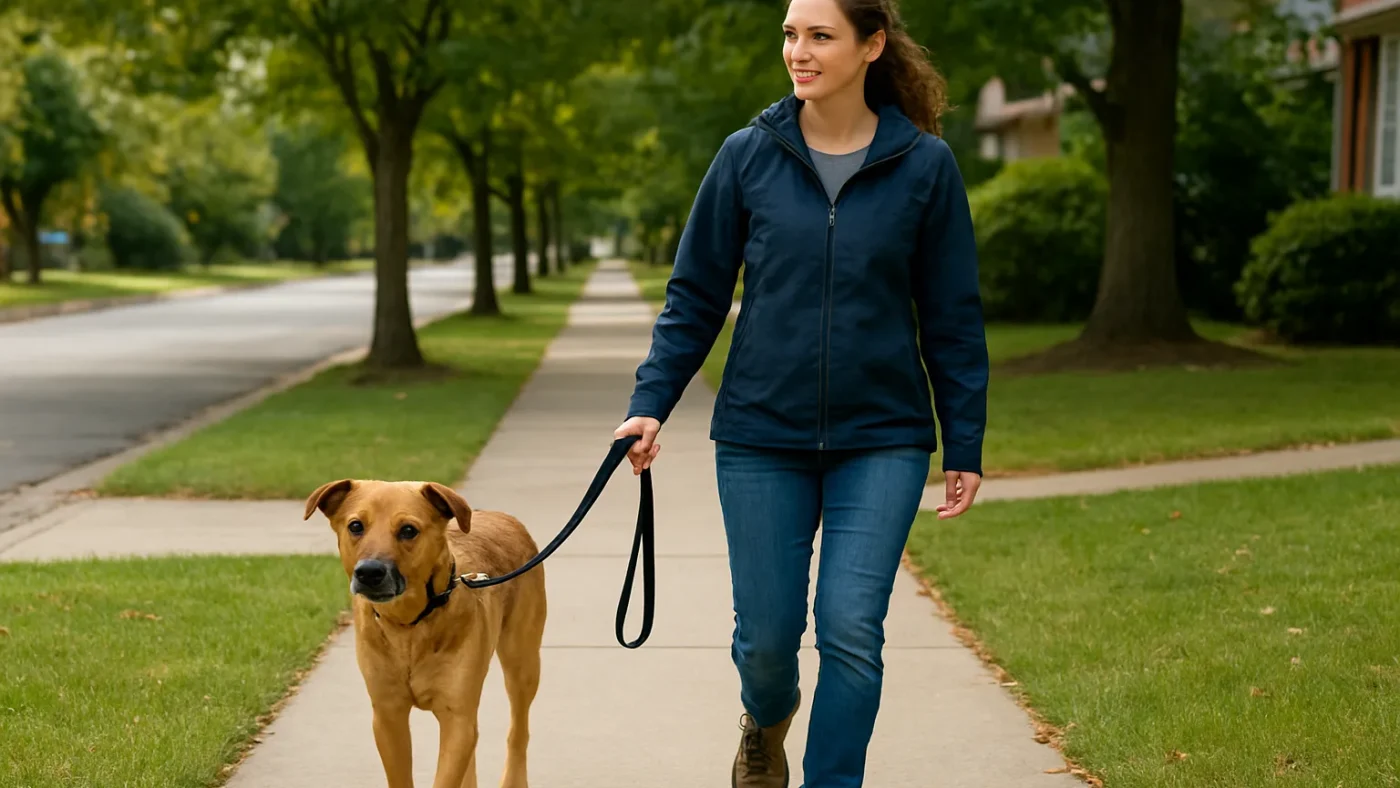
Looking for flexible work that fits around school, a regular job, or family responsibilities? Pet sitting and dog walking can be a practical way to earn income, but finding reliable clients takes more than posting that you love animals. You need to decide whether to use a pet-care platform, build a local client base, or combine both. You also need clear boundaries around safety, payment, scheduling, and the fact that much of this work is done as an independent contractor rather than as an employee.
The short answer is that platforms can help you get seen by pet owners faster, while local clients can give you more control over your services and relationships. Neither route guarantees work. The best choice depends on how much structure, marketing, flexibility, and responsibility you want to handle yourself.
Start with the kind of pet care you can reliably provide
“Pet sitting” can mean very different jobs. Before making a profile or telling neighbors you are available, choose services that match your schedule, transportation, home situation, and comfort level.
- Dog walking: Scheduled walks, usually near the owner’s home. This may suit people with daytime or early-evening availability.
- Drop-in visits: Feeding pets, refreshing water, giving attention, cleaning litter boxes or cages, and taking dogs outside while the owner is away.
- Overnight sitting in the client’s home: Staying at the home or spending extended time there. This can involve more responsibility, especially for medications, home access, and emergencies.
- Boarding in your home: Caring for an animal at your own residence. Check lease rules, local requirements, household preferences, and whether you have a safe separate space before offering it.
- Specialized care: Senior pets, puppies, multiple animals, or pets with medication routines. Only offer services you can competently handle.
Be specific. A client is more likely to trust a sitter who clearly states, “I offer evening dog walks and cat drop-ins,” than someone who says they can do anything at any time.
Using platforms to look for pet sitting jobs
Pet-care platforms generally connect owners with walkers and sitters in their area. They can be useful when you do not yet have referrals, because clients can search for local providers and view profiles. Each service has its own location coverage, application process, fees, payment rules, screening practices, cancellation policies, and insurance or support terms. Read the current provider agreement and help pages on the official platform before signing up.
A platform profile should answer the questions a cautious pet owner will have: Which animals do you accept? What services do you provide? What times are you available? Do you have relevant experience? How do you communicate during a booking? Keep every statement truthful. If you have cared for family pets, volunteered with animals, or helped neighbors, describe that experience plainly without exaggerating it.
Make a profile that gives owners confidence
- Use a clear, recent photo where your face is visible.
- List your service area and realistic travel limits.
- Explain your routine for walks, feeding, updates, and basic cleanup.
- State any limits, such as not handling dogs that are known to bite or not administering medication.
- Upload only photos you have permission to use.
- Respond professionally and avoid making promises you cannot keep.
Platforms may offer a built-in calendar, messaging, review system, or payment process. Those tools can make an early booking feel more organized, but they do not replace good judgment. Read client requests closely, ask questions before accepting a job, and use the platform’s official support channels if something does not seem right.
Building a local client base without a platform
Finding clients directly can take longer, but it may give you more say over your services, service area, scheduling, and communication. Start with people who can realistically vouch for your reliability: friends, relatives, coworkers, neighbors, former classmates, or members of community groups. Ask for introductions rather than pressuring people for bookings.
You can also create a simple one-page service description to share locally. Include the types of pets you handle, the services you offer, your service area, general availability, and a professional way to contact you. A local flyer, neighborhood group post, community bulletin board, or referral from a grooming business may produce leads, but always follow the rules of the place where you post.
Direct clients need more information from you because there may be no platform process around the booking. Use a written agreement, even for someone you know. It can cover service dates, access instructions, feeding and medication directions, emergency contacts, veterinary preferences, cancellation expectations, payment timing, and permission to seek urgent veterinary care if the owner cannot be reached. A simple written record helps prevent misunderstandings.
Local work often grows through repeat customers and referrals. Reliability matters more than fancy marketing. Arrive when promised, follow instructions, send the updates you agreed to send, and be honest if a problem occurs. If a client asks for a task beyond your ability, such as complex medical care or behavior management, say so instead of guessing.
Trust is the real product you are offering
Pet owners are trusting you with an animal they care about and, in many cases, access to their home. Show that you understand the responsibility. Before the first booking, arrange a meet-and-greet in a setting that makes sense for the service. Observe how the pet responds, ask about routines, and look for practical concerns such as escape risks, leash behavior, food restrictions, fear triggers, other household animals, and where supplies are kept.
Ask owners to provide written instructions. Useful details include the pet’s normal routine, veterinarian contact information, medications and dosage instructions when relevant, emergency contacts, microchip information if available, and whether anyone else has permission to enter the home. Do not agree to administer medication unless you understand the instructions and feel comfortable doing it.
For dog walking, confirm whether the dog uses a collar, harness, or another setup and whether there are routes or encounters to avoid. Keep pets on leash unless the owner has clearly authorized an appropriate enclosed setting. Avoid introducing unfamiliar dogs to each other just to save time.
Protect your own safety and privacy
Flexible pet work can involve entering unfamiliar homes, walking in isolated areas, and communicating with strangers. Treat safety planning as part of the job, not as an afterthought.
- Meet a new client before accepting an extended or overnight assignment whenever possible.
- Tell a trusted person where you will be, especially for a first visit or an overnight stay.
- Keep your phone charged and share your expected schedule with someone you trust.
- Trust your instincts if a client will not provide clear information, pressures you to skip a meeting, or makes you feel unsafe.
- Do not share more personal information than necessary, such as your home address, with prospective clients.
- Use a business-only email address or phone number if that helps keep work messages separate.
- Know when to leave. Aggressive behavior from a pet, unsafe conditions, or a threatening interaction with a person are reasons to stop and seek help.
Be wary of common payment and messaging red flags. Do not accept a job based on a vague story, a request to move conversations immediately to an unfamiliar channel, or an overpayment that requires you to send money back. Do not deposit or forward a check for a supposed client. Keep records of bookings, messages, agreements, and payments. For broader advice on spotting questionable offers, see how to find legitimate job openings near you.
Understand contractor status before you count on the income
Many platform-based and direct pet sitting arrangements are contractor or self-employment work, not traditional employment. That usually means you may control which assignments you accept and when you work, but you may also be responsible for tracking income, expenses, mileage, supplies, and tax obligations. Your status can depend on the specific arrangement and applicable rules, so read the agreement carefully and consider speaking with a qualified tax professional if you need personal guidance.
Do not assume a platform will handle every business task for you. Check how payment is processed, when funds become available, what fees may apply, what happens during cancellations or disputes, and whether any coverage is included or excluded. For direct clients, decide in advance how you will invoice, when payment is due, and how you will document it.
Also remember that gross income is not the same as take-home income. Travel time, transportation, supplies, platform fees, and time spent communicating with clients can affect whether a booking works for your schedule. Review the full commitment before accepting, not just the time spent with the pet.
Build experience if you are new to animal care
You do not need to claim professional experience you do not have. Start with smaller, lower-complexity services that you can perform well, such as a neighbor’s cat check-in or a short dog walk with a well-known pet. Ask satisfied clients for an honest review or a short reference. Over time, those details can make your profile or local service listing more credible.
Basic job-search habits still help in flexible work. Keep a concise record of your experience, availability, transportation, and relevant skills such as customer communication or scheduling. If you are building a resume alongside gig work, this guide on how to write a resume for entry-level jobs can help you describe responsibilities clearly. If pet care is only one part of your income plan, compare it with other options in flexible evening and weekend jobs for extra income.
Your next step: choose one route and test it carefully
Pick one platform to research on its official site, or create a straightforward local service description and share it with people you know. Then set your boundaries before your first client contacts you: services, travel radius, availability, payment process, and safety rules. Starting small and being dependable is a better foundation than trying to accept every request. Pet sitting jobs can become repeat work, but only when the arrangement is safe, clear, and realistic for both you and the pet owner.