If you are looking at Amazon warehouse jobs, the biggest question is usually not just whether you can apply. It is whether the daily work, pace, physical demands, and shift times will fit your life. Warehouse work can be accessible to people without a long work history, but it is active work with expectations that are very different from an office job or retail counter job.
This guide explains the main types of warehouse roles you may see, what employers commonly look for, what a shift can feel like, and how to use Amazon’s official careers site to check real openings and current job details. Job titles, schedules, qualifications, and employment terms can vary by building and posting, so treat the listing itself as the final word.
What do Amazon warehouse workers do?
Amazon’s warehouse network uses different kinds of facilities to receive goods, store products, prepare customer orders, sort packages, and move shipments toward delivery. The exact task depends on the building and the role. A person working in a large fulfillment center may spend a shift handling individual products, while someone at a delivery station may work with already-packed packages headed to local delivery routes.
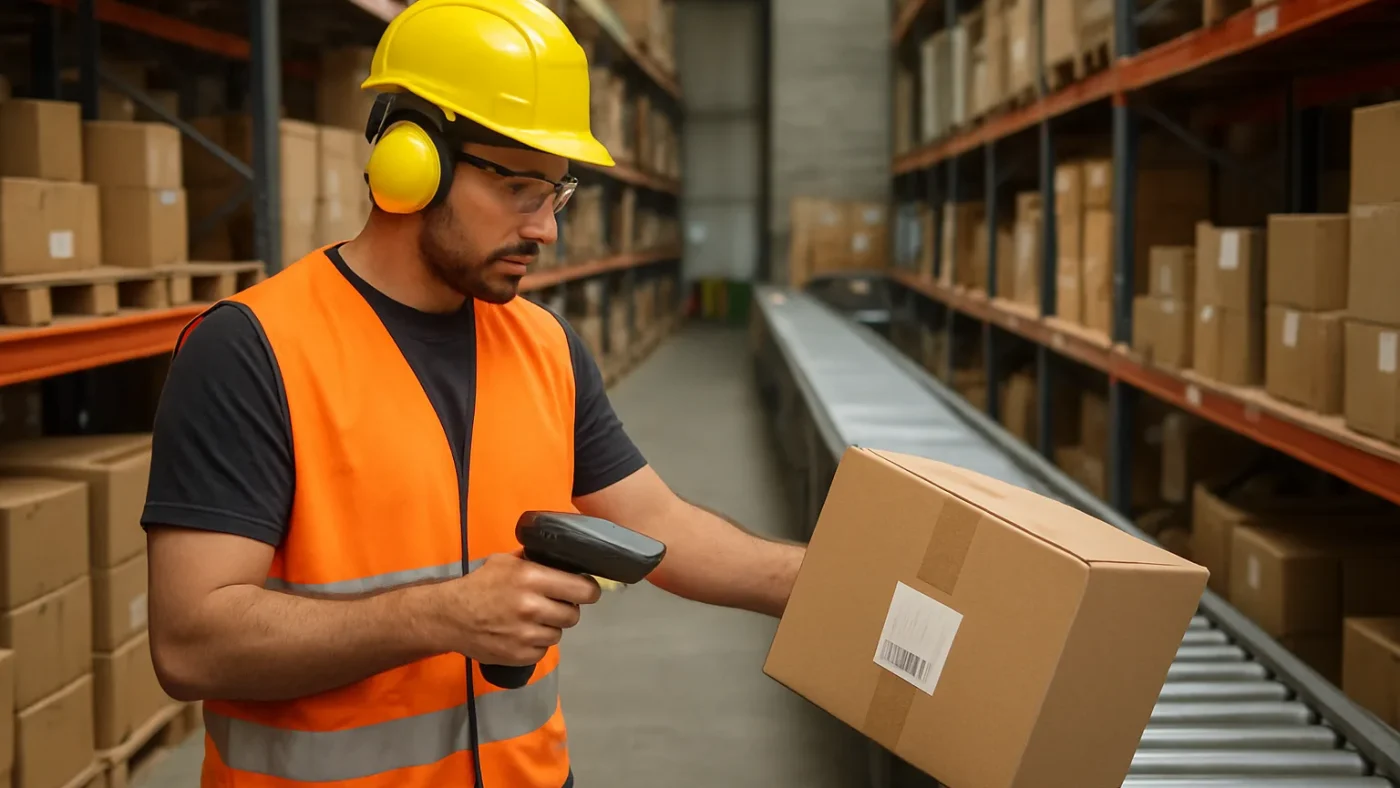
Many entry-level warehouse positions involve moving through a defined process: scanning an item or package, placing it in a designated location, checking information on a screen or handheld device, and keeping work areas organized. Accuracy matters alongside speed because an incorrect scan or placement can affect the rest of the shipment process.
You do not need to assume that every warehouse job is the same. Read the duties section carefully before applying. A role that sounds similar by title can have different lifting expectations, schedules, temperature conditions, or work areas at another location.
Common Amazon warehouse role families
Fulfillment center roles
Fulfillment centers generally handle products before they are sent out as customer orders. Entry-level associates may receive incoming inventory, put products away, pick items for orders, pack orders, or prepare packages for the next stage of shipping. Work may involve walking long distances, standing for much of the shift, using scanners, reaching shelves, and moving carts or containers.
Some positions are assigned to one work area, while others may move among tasks based on the building’s needs. The posting should explain the core duties and whether the role involves regular lifting, bending, climbing steps, or working around conveyor systems and powered equipment.
Sortation center roles
Sortation work generally focuses on routing packages to the right destination. Associates may scan labels, sort packages into lanes or containers, load carts, or help stage shipments. Package flow can change during a shift, and workers may repeat the same motion many times. This kind of role may appeal to someone who prefers straightforward, active tasks, but it can still be physically demanding.
Delivery station roles
At a delivery station, warehouse workers may help sort and stage packages for local delivery. The work can include unloading, scanning, organizing packages by route or area, and preparing them for pickup. Early-morning, overnight, or other nontraditional shift times may be more common in some operations, although available schedules depend on the location.
A delivery-station warehouse job is not automatically the same as a delivery-driver role. Driver positions may be offered through different employers or business arrangements. Always check the listing to see who the employer is and whether the job is employee work, contractor work, or another arrangement. If driving is your goal instead, review this guide to finding delivery driver jobs and comparing common requirements.
Specialized and support roles
Some facilities also list jobs related to equipment operation, maintenance, safety, problem-solving, inventory control, training, or administrative support. These may call for additional experience, certifications, a particular license, or more specialized skills. Do not rule yourself out just because you have not worked in a warehouse before, but do not assume an advanced role has the same entry requirements as a warehouse associate position.
The physical realities of warehouse work
Warehouse work can be a solid fit for people who prefer being on their feet and like clear tasks. It can also be tiring. Common demands can include standing and walking for extended periods, repetitive hand and arm movements, bending, reaching, pushing carts, and lifting or moving items within the limits stated in the posting.
Conditions may vary by facility and work area. Some areas can be noisy, busy, cool, warm, or affected by outdoor weather during loading and unloading. You may work near moving equipment, conveyor belts, carts, or other people handling packages. Employers typically have safety procedures and training, but you still need to be comfortable following instructions, using required protective equipment, and paying attention to your surroundings.
Before applying, look for a physical-demands section in the job description. It may identify lifting expectations, periods of standing or walking, required motions, and other conditions. Be honest with yourself about what you can safely do over a full shift. If the posting gives a contact method for accommodation questions, use that official channel rather than guessing.
Schedule questions to ask before applying
Schedule fit is one of the most practical parts of choosing a warehouse job. Depending on the facility, postings may describe full-time, part-time, seasonal, reduced-time, day, evening, overnight, or weekend shifts. Shift length, start time, break rules, overtime availability, and mandatory scheduling policies are not universal. They can differ by location, season, and the specific job.
Read the schedule section word for word. Check whether the days listed include weekends, whether the shift crosses midnight, and whether reliable transportation is realistic at those hours. An overnight job may work well for someone with daytime obligations, but it can be difficult if you need to coordinate childcare, sleep, or a second job.
Also consider commute time. A warehouse shift can be physically draining, and a long drive or multiple bus connections can make an otherwise workable job much harder to keep. For broader help comparing local options, see how to find warehouse jobs near you and understand the requirements.
Typical requirements for entry-level warehouse jobs
Requirements depend on the position, but an entry-level warehouse posting often focuses on basic job readiness more than a long resume. Employers may look for applicants who can meet the stated physical demands, follow safety rules, use basic technology such as a scanner or computer screen, communicate with supervisors and coworkers, and reliably work the assigned schedule.
Some positions may have age, education, work authorization, background-screening, drug-testing, identification, or other requirements. Do not rely on a general online summary for these details. The official job posting and application materials should tell you what applies to that role and location.
If you have little formal work experience, emphasize dependable examples from school, caregiving, volunteering, military service, sports, or previous part-time work. Showing that you arrive on time, follow procedures, learn routines, and work safely can be useful. This guide on getting hired with little or no work experience can help you identify relevant strengths.
How the application process generally works
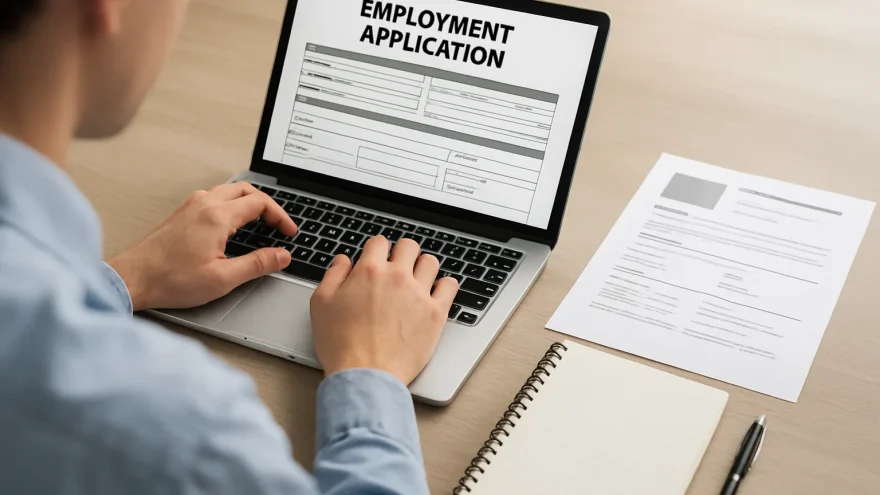
Start with the official Amazon careers site, not a social-media post, text message, or third-party page asking for sensitive information. Search by your city, state, ZIP code, or preferred work area. Then open each listing and review the employer name, job title, facility location, work schedule, essential duties, qualifications, and any stated steps in the process.
When you find a role that fits, create an account or sign in through the official application system and complete the requested information carefully. Use your legal name and accurate contact details. Keep a copy of the job title, location, and date you applied so you can track applications without mixing them up.
The process may include screening questions, requests for documents, an assessment, a conversation, an appointment, or other steps. Not every role uses the same process. Follow instructions from the official application account or official company communications, and confirm any request for personal information through that system.
How to avoid fake Amazon job offers
Recognizable company names are often used in job scams. Be cautious if someone says you are hired before you complete a real application, pressures you to act immediately, asks you to pay for a job, sends a check and asks you to buy equipment, or wants banking or identity information through an unverified message.
A legitimate employer may need personal information at appropriate stages of hiring, but you should provide it only through a verified official process. Search for the position on the official careers site yourself. If you cannot find a matching listing or cannot confirm the sender through an official channel, pause before responding.
A practical next step
Make a short checklist before you search: the farthest distance you can commute, the shifts you can truly work, the physical tasks you can safely perform, and whether you want temporary or longer-term work. Then use the official Amazon careers site to compare listings against that checklist. Apply only to roles whose schedule and duties you understand. If you are also weighing similar employers, this guide to Walmart store, warehouse, and online applications can help you compare another major retailer’s job-search process.